Stop Blaming the Knees: How Ankle Mobility Holds the Key to Senior Independence
Discover why ankle mobility is the hidden factor in senior falls. Learn how to retrain the nervous system and restore balance to keep your loved ones active.
The Hidden Culprit Behind Senior Mobility Loss
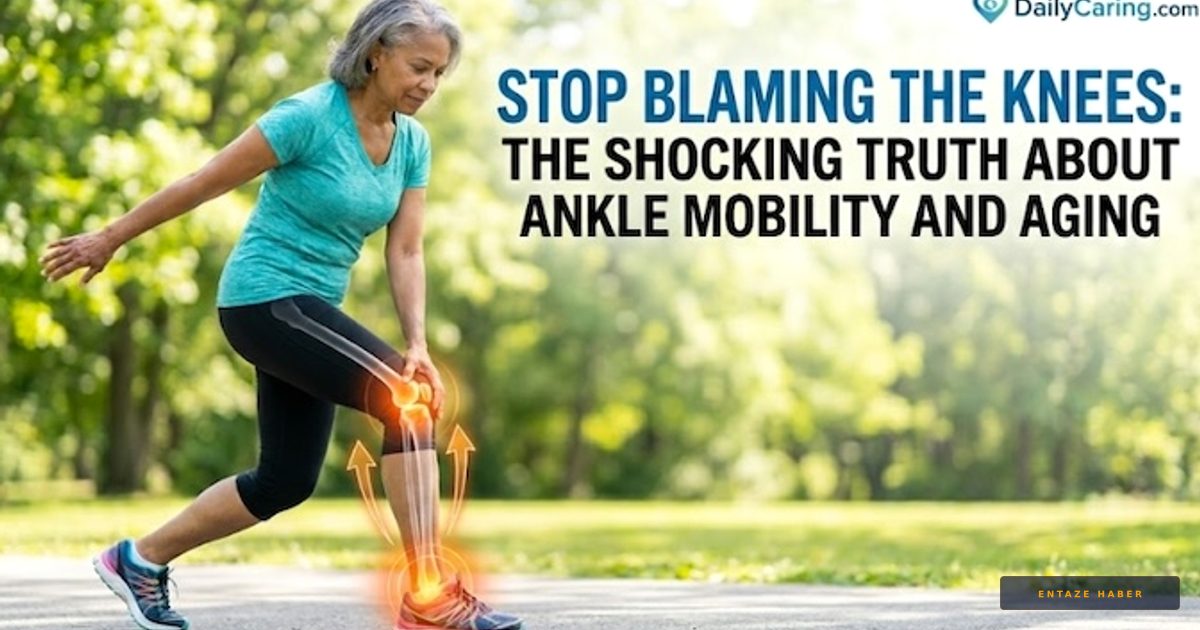
Many caregivers mistakenly attribute a senior's reduced walking speed or exhaustion to general aging or knee weakness. However, the true source of these mobility struggles often originates at the ankle. Recent research indicates that the aging nervous system undergoes a significant shift, prioritizing safety through a rigid, biomechanical strategy that eventually restricts natural movement and independence.

The Science of Muscular Interference
According to a 2026 study featured in the Journal Gait & Posture, the aging body employs a protective mechanism known as muscle co-contraction. In this state, the nervous system simultaneously activates opposing muscles around the ankle, essentially forcing the body to press the gas and the brake at the same time. While this creates a temporary sensation of stability when the foot strikes the ground, it results in immense wasted energy. The muscles must work significantly harder to generate even minimal power, leading to shorter strides, reduced walking speed, and heightened exhaustion during daily tasks.

Identifying Early Warning Signs
Caregivers must watch for specific physical cues that suggest gait instability before a dangerous fall occurs. Indicators include a shuffling gait, difficulty lifting feet cleanly, or frequent tripping over minor thresholds. Another simple test involves observing their ability to rise onto their tiptoes; a lack of smooth, upward motion signals a loss of critical push-off power. Recognizing these signs early allows for proactive intervention rather than reactive emergency care.
Retraining the Nervous System
Standard strength training often fails to address this specific neurological habit. To improve fall prevention, focus must shift toward exercises that force the brain to release defensive co-contraction.
- Single-Leg Balance Holds: Utilize a sturdy chair for support, aiming for 30 seconds per leg to improve proprioception.
- Eccentric Calf Raises: Perform a normal upward raise, followed by an extremely slow, controlled descent to the ground to build tendon strength.
- Ankle Dexterity Exercises: While seated, tracing the alphabet with the big toe effectively reduces joint stiffness.
- Fluid Movement Training: Practices like Tai Chi encourage sequential muscle firing, which is essential for dismantling rigid co-contraction patterns.
The Role of Footwear in Mobility
Dr. Kristie Leong emphasizes that modern, heavily cushioned shoes can act as a sensory barrier, effectively blinding the foot to ground feedback. To combat this, she recommends walking on uneven terrain or using barefoot shoes, which allow the feet to expand and recruit stabilizing muscles. While supervised barefoot walking at home can improve sensory input, always ensure the environment is safe to prevent accidental slips.
Recent Developments
Recent findings regarding neuromuscular control in older adults are shaping the latest updates in physical therapy and preventative care. As breaking news in the field of gerontology emerges, families are finding new ways to support aging relatives through live news on biomechanical health. You can follow all developments instantly on CareChronicle.net.
Related Topics
🔹 Fall Prevention 🔹 Senior Fitness 🔹 Geriatric Biomechanics 🔹 Mobility Exercises 🔹 Healthy Aging 🔹 Neuromuscular Health 🔹 Caregiver Support
Caregiving-news News
This category provides breaking news and the latest updates on vital health topics for those supporting seniors. We offer live insights into wellness trends and medical discoveries to ensure caregivers stay informed. CareChronicle.net remains your primary source for reliable caregiving information.
Frequently Asked Questions
Why do older adults experience more fatigue during walks?
An aging nervous system often triggers muscle co-contraction, where opposing muscles fire at once. This constant internal resistance forces the body to burn excessive energy for minimal movement.
Can traditional leg workouts fix ankle stiffness?
Not necessarily. Generic strength training often focuses on raw muscle size rather than the neurological timing of the ankle joint, which is where the primary issue lies.
Is barefoot walking safe for all seniors?
It can improve proprioception, but it should only be done under supervision on safe surfaces. Always prioritize the stability of the individual to avoid fall risks while training.